
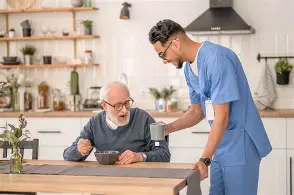
For many older adults and their families, home healthcare is often seen as a practical solution—something necessary to maintain safety, manage medications, and address medical concerns. While these elements are important, they represent only part of the bigger picture. True, compassionate care goes beyond physical health; it focuses on ensuring that a person’s later years are rich in purpose, comfort, and fulfillment.
With decades of experience in home healthcare, it has become clear that the idea of “aging in place” is changing. It’s no longer simply about remaining in a familiar home—it’s about truly living well within it. When care shifts from simply treating conditions to enhancing overall quality of life, the home becomes more than a residence; it becomes a place where individuals can continue to grow, connect, and enjoy meaningful experiences.
Moving From Care to Quality of Life
There’s a common belief that accepting help at home reduces independence. In reality, the right support system can strengthen it. Proper home care provides both physical safety and emotional reassurance, allowing seniors to focus less on daily challenges and more on how they want to spend their time.
When essential needs are handled, mental and emotional energy is freed up. The home transforms from a place of limitation into a space of opportunity—where routines are shaped by choice, not restriction. Simple pleasures, like enjoying a favorite meal or relaxing in a comfortable corner filled with sunlight, become central to daily living again.
The Role of Meaningful Activities
Leisure isn’t just about passing time—it can play a critical role in maintaining overall well-being. The most beneficial activities are those that actively engage the mind and body, helping prevent isolation and inactivity.
Keeping the Mind Engaged
Mental stimulation is essential at every stage of life. Activities such as puzzles, games, reading, or learning new skills can help maintain cognitive function. Even exploring new technology or revisiting favorite books can provide both challenge and enjoyment.
Creative Expression
Creative hobbies—like painting, knitting, gardening, or crafting—offer more than entertainment. They allow individuals to express themselves, build confidence, and experience a sense of accomplishment, especially when physical limitations exist.
Gentle Movement
Physical activity doesn’t have to feel like exercise to be effective. Light, enjoyable movement—such as short walks, stretching, or chair-based exercises—can improve mobility and mood. When movement is enjoyable, it becomes something to look forward to rather than avoid.
Creating an Environment That Supports Well-Being
A supportive home environment should nurture both physical and emotional health. This requires a thoughtful approach that prioritizes connection, comfort, and independence.
Staying Socially Connected
Loneliness can significantly impact health, making social interaction essential. Whether it’s connecting with family through video calls or hosting small gatherings, maintaining relationships helps foster a sense of belonging and happiness.
Enjoying Food Again
Meals should be more than routine—they should be enjoyable experiences. While nutrition is important, the way food is prepared and presented also matters. Involving seniors in meal planning or preparation can make eating both engaging and satisfying.
Encouraging Independence
A well-designed home can enhance confidence and autonomy. Simple adjustments—such as better lighting, comfortable furniture, or assistive tools—can make everyday tasks easier while maintaining dignity and personal control.
The Evolving Role of Caregivers
Caregivers today play a much broader role than just managing health needs. They often become companions and partners in daily life, helping to create meaningful routines and experiences.
By understanding a person’s preferences, history, and personality, caregivers can tailor care in a way that brings joy and familiarity into everyday moments. This personalized approach not only benefits seniors but also reassures families, knowing their loved ones are not just safe, but genuinely content.
Living Fully at Home
Home holds a lifetime of memories—from cherished photographs to familiar surroundings that bring comfort. Ensuring that seniors can continue to enjoy these spaces is about more than care; it’s about preserving identity and purpose.
Aging is inevitable, but how we experience it can be shaped. With the right support, later years can be a time of continued growth, connection, and happiness. Ultimately, the goal is not just to extend life, but to enrich it—making each day meaningful in the place that matters most: home.