
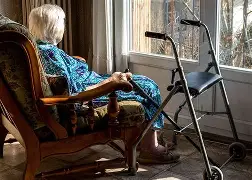
Senior loneliness is one of the most overlooked challenges affecting older adults today. While aging brings physical changes, the emotional impact of isolation can be just as significant—sometimes even more harmful. Many seniors live alone, have reduced social circles, or experience loss of close friends and partners, leading to feelings of loneliness and disconnection.
Understanding senior loneliness is the first step toward creating meaningful solutions that improve quality of life.
What Is Senior Loneliness?
Senior loneliness is the emotional distress that comes from feeling socially or emotionally isolated. It is not simply being alone, it is the feeling of being disconnected from others, even when people are physically present.
It can be caused by:
- Loss of a spouse or close friends
- Retirement and reduced daily interaction
- Limited mobility or health challenges
- Living far from family members
The Impact of Loneliness on Seniors
Loneliness is more than an emotional issue; it can affect overall health.
Studies show it may lead to:
- Increased risk of depression and anxiety
- Cognitive decline and memory issues
- Higher blood pressure and heart-related conditions
- Reduced motivation and physical activity
When left unaddressed, loneliness can significantly reduce quality of life.
Signs a Senior May Be Lonely
Recognizing the signs early can help families take action.
Common indicators include:
- Withdrawal from social activities
- Lack of interest in hobbies or routines
- Changes in sleep or appetite
- Frequent sadness or irritability
- Increased reliance on phone calls or visits for emotional comfort
Causes of Senior Loneliness
Several life changes contribute to isolation in older adults:
- Retirement and loss of workplace interaction
- Children moving away or becoming busy
- Health conditions limiting mobility
- Loss of driving independence
- Reduced participation in community activities
Understanding these causes helps in creating effective support systems.
How Home Care Can Help Reduce Loneliness
Home care plays a powerful role in addressing senior loneliness by providing both practical and emotional support.
Caregivers can:
- Offer regular companionship and conversation
- Encourage social engagement and activities
- Support participation in hobbies and interests
- Accompany seniors to appointments or outings
- Provide consistent emotional reassurance
Even simple daily interaction can significantly improve emotional well-being.
Family and Community Support Matter
Families and communities also play a crucial role in reducing loneliness.
Helpful actions include:
- Scheduling regular visits or video calls
- Encouraging participation in community or religious groups
- Involving seniors in family decisions and events
- Helping them stay connected with friends
Strong social connections are key to emotional health.
Technology as a Bridge
Modern technology can help seniors stay connected.
- Video calls with family and friends
- Social media for sharing updates
- Reminder apps for daily routines and medication
- Online communities and interest groups
When used properly, technology reduces the distance between seniors and their loved ones.
Final Thoughts
Senior loneliness is a serious but solvable challenge. With the right combination of family involvement, community engagement, and home care support, seniors can enjoy meaningful connections and a better quality of life.
No one should feel forgotten or isolated in their later years. Connection, care, and compassion can make all the difference.