
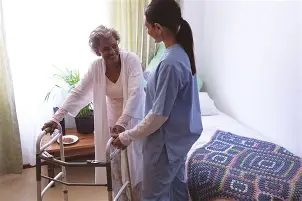
As populations age and families seek more personalized care options, home care has become the preferred solution for supporting seniors. In 2026, the focus is no longer just on assistance—it’s on enhancing independence, safety, and overall quality of life through smarter, more adaptive care solutions.
This guide outlines the most effective home care strategies available today and how they’re transforming senior living.
1. Personalized In-Home Care Services
Modern home care is built around individualized plans rather than one-size-fits-all support.
- Care plans tailored to needs, mobility levels, and personal preferences
- Services ranging from companionship to specialized nursing care
- Flexible scheduling (hourly, daily, or live-in care)
Personalization ensures seniors receive exactly the level of support they need—nothing more, nothing less.
2. Technology-Driven Care
Technology is redefining how care is delivered and monitored at home.
- Smart sensors to detect falls or unusual movement patterns
- Voice assistants to help with reminders (medication, appointments)
- Remote health monitoring devices for vital signs
These tools allow caregivers and family members to stay informed in real time, even from a distance.
3. Telehealth and Virtual Medical Support
Access to healthcare is now faster and more convenient than ever.
- Virtual consultations with doctors and specialists
- Digital prescription management
- Remote therapy sessions (physical and mental health)
Telehealth reduces the need for frequent hospital visits while ensuring continuous medical oversight.
4. Specialized Dementia and Alzheimer’s Care
With rising cases of cognitive conditions, specialized care is essential.
- Structured routines to reduce confusion and anxiety
- Memory-enhancing activities and cognitive exercises
- Caregivers trained specifically in dementia support
This targeted approach improves safety and emotional stability for seniors with memory-related conditions.
5. Mobility and Rehabilitation Support
Maintaining physical independence is a key priority.
- In-home physiotherapy and guided exercise programs
- Assistive devices like walkers, adjustable beds, and lift chairs
- Home modifications (grab bars, ramps, non-slip flooring)
These solutions help prevent falls and support recovery after illness or surgery.
6. Nutrition and Meal Support Services
Proper nutrition remains a cornerstone of senior health.
- Customized meal plans based on dietary needs
- Meal delivery services tailored for seniors
- Assistance with feeding when necessary
Balanced nutrition improves energy levels, immunity, and overall well-being.
7. Companion Care and Social Engagement
Loneliness is a major challenge for many seniors living at home.
- Regular companionship visits
- Assistance with hobbies, errands, and social activities
- Emotional support and meaningful interaction
Social connection significantly improves mental health and life satisfaction.
8. Respite Care for Families
Family caregivers need support too.
- Short-term care to allow caregivers to rest or travel
- Emergency backup care options
- Flexible arrangements to reduce burnout
Respite care ensures continuity while protecting the well-being of caregivers.
9. Affordable and Community-Based Solutions
In 2026, accessibility and affordability are gaining more attention.
- Community health programs and local care networks
- Sliding-scale pricing and flexible payment options
- Partnerships with NGOs and healthcare providers
These initiatives make quality home care more accessible to a wider population.
10. Holistic Wellness Approach
Care now goes beyond physical health to include emotional and mental well-being.
- Mindfulness and relaxation practices
- Recreational and lifestyle activities
A holistic approach ensures seniors not only live longer—but live better.
Final Thoughts
The best home care solutions for seniors in 2026 combine compassion with innovation. From personalized care plans to smart technology and community support, today’s approach is centered on dignity, independence, and quality of life.
Choosing the right solution depends on individual needs, but one thing is clear: home care is no longer just an option—it’s the future of senior living.