
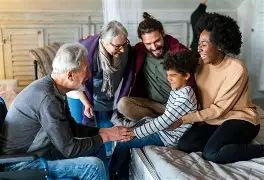
When it comes to supporting aging loved ones, families want more than just basic assistance—they want care that is warm, respectful, and deeply personal. The idea of “care that feels like family” goes beyond professional duties. It reflects compassion, trust, and genuine human connection delivered in the comfort of home.
As more families turn to in-home care, this approach is becoming the gold standard for senior support.
What Does “Care That Feels Like Family” Really Mean?
At its core, this type of care blends professionalism with empathy. It means treating every individual with the same patience, kindness, and attention you would give your own loved ones.
- Caregivers build meaningful relationships, not just routines
- Emotional support is prioritized alongside physical assistance
- Respect for personal preferences, culture, and values is maintained
It’s not just about doing tasks—it’s about how those tasks are done.
The Comfort of Receiving Care at Home
Home is more than a place—it’s where memories live, routines are familiar, and comfort comes naturally.
Receiving care at home allows seniors to:
- Stay in a familiar environment
- Maintain independence and daily habits
- Feel more relaxed and secure
This sense of familiarity can significantly improve emotional well-being, especially for those dealing with memory-related conditions.
Personalized Support for Every Need
No two individuals are the same, and neither are their care needs. Family-style home care focuses on tailored support.
- Personal Care: Assistance with bathing, grooming, and dressing
- Companion Care: Conversation, emotional support, and social engagement
- Health Support: Medication reminders and basic health monitoring
- Household Help: Light cleaning, laundry, and meal preparation
This personalized approach ensures that care adapts as needs change.
Building Trust Through Consistency
Trust is the foundation of any meaningful care relationship.
Reliable home care services ensure:
- Consistent caregivers whenever possible
- Open communication with families
- Clear care plans and expectations
Over time, this consistency builds strong bonds, making caregivers feel like an extension of the family.
Supporting Emotional and Mental Well-being
Physical care alone isn’t enough. Seniors thrive when they feel valued, heard, and connected.
- Engage in daily conversations and storytelling
- Encourage hobbies and activities they enjoy
- Facilitate regular contact with friends and family
These small interactions can have a profound impact on mood and overall quality of life.
Safety Without Sacrificing Comfort
A family-centered approach balances safety with independence.
- Homes can be modified with simple safety features (grab bars, better lighting)
- Caregivers help prevent falls and manage daily risks
- Seniors are encouraged to stay active within safe limits
The goal is to create a secure environment that still feels like home—not a facility.
Why Families Are Choosing This Approach
More families are embracing home care because it offers:
- Dignity: Seniors maintain control over their lives
- Flexibility: Care plans can be adjusted easily
- Affordability: Often more cost-effective than full-time residential care
- Peace of Mind: Knowing a loved one is cared for with compassion
It’s a solution that benefits both seniors and their families.
Final Thoughts
“Care that feels like family” is not just a phrase—it’s a standard that transforms how support is delivered. By combining professional expertise with genuine compassion, home care becomes more than a service; it becomes a relationship built on trust and respect.
For families seeking the best for their loved ones, there’s nothing more reassuring than knowing they are safe, comfortable, and truly cared for—right at home.