
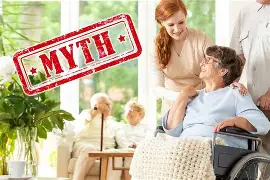
Home care services have become an essential part of supporting seniors and individuals with health needs. Yet, despite their growing popularity, many misconceptions still prevent families from making informed decisions. These myths can lead to unnecessary stress, delayed care, or choosing the wrong support options.
Let’s clear the air by addressing some of the most common home care myths—and the truth behind them.
Myth 1: Home Care Is Only for the Very Sick
Reality: Home care is not limited to those with serious medical conditions.
Many people use home care for:
- Companionship and social interaction
- Help with daily tasks like cooking and cleaning
- Recovery support after surgery
Home care is flexible and can be tailored to both short-term and long-term needs.
Myth 2: It’s Too Expensive
Reality: Home care is often more affordable than people think.
Compared to residential facilities, home care allows families to:
- Pay only for the services they need
- Choose flexible schedules (hourly, part-time, or full-time)
- Avoid additional costs associated with institutional living
There are also community programs and support options that can help reduce costs.
Myth 3: It Means Losing Independence
Reality: Home care actually promotes independence.
Instead of taking over completely, caregivers:
- Support individuals in completing daily activities
- Encourage mobility and self-care
- Help maintain routines and personal choices
The goal is to empower—not replace—independence.
Myth 4: Family Members Should Handle Everything
Reality: While family support is important, professional care adds value.
Caregiving can be physically and emotionally demanding. Home care services:
- Reduce caregiver burnout
- Provide skilled and experienced support
- Ensure consistent and reliable care
Combining family involvement with professional help often leads to better outcomes.
Myth 5: Home Care Is Not as Safe as a Facility
Reality: With the right setup, home care can be just as safe—if not safer.
Safety measures include:
- Home modifications (grab bars, proper lighting)
- Regular monitoring and supervision
- Personalized care plans tailored to risks and needs
Being in a familiar environment can also reduce confusion and anxiety.
Myth 6: Caregivers Are Not Qualified
Reality: Professional caregivers are trained and experienced.
Depending on the service, caregivers may have:
- Certifications in caregiving or nursing
- Training in first aid and emergency response
- Experience in specialized care (e.g., dementia support)
Reputable providers ensure caregivers meet strict standards.
Myth 7: Home Care Is Only for Seniors
Reality: Home care supports people of all ages.
Services are also used by:
- Individuals recovering from surgery or illness
- People living with disabilities
- Those needing temporary assistance after hospitalization
Home care is about meeting needs—regardless of age.
Final Thoughts
Believing these myths can delay important decisions and prevent loved ones from receiving the support they deserve. The truth is that home care is flexible, accessible, and designed to improve quality of life while preserving dignity and independence.
By understanding what home care really offers, families can make confident, informed choices that benefit everyone involved.