
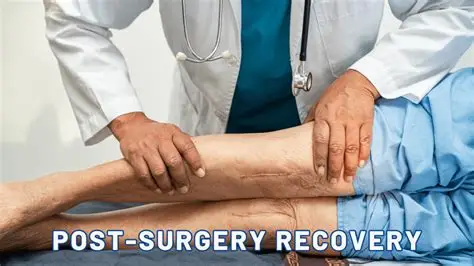
Recovering from surgery is a critical phase in a patient’s healthcare journey. Educating patients about the signs of proper healing—and when to seek help—can prevent complications and promote faster recovery.
Understanding the Healing Process
After surgery, the body begins a natural healing process that includes inflammation, tissue repair, and gradual restoration of function. While recovery timelines vary depending on the procedure, most patients will notice steady improvement over days or weeks.
Healthcare providers should ensure patients understand that mild discomfort and temporary limitations are normal parts of recovery.
Signs of Proper Healing
Recognizing positive recovery signs can reassure patients and reduce unnecessary anxiety. Key indicators include:
- Reduced Pain and Swelling
It’s normal to experience pain immediately after surgery, but it should gradually decrease over time. - Improved Mobility and Strength
Patients should slowly regain movement and physical function as healing progresses. - Stable Body Temperature
A normal temperature indicates the body is not fighting an infection. - Return of Appetite and Energy
As recovery continues, patients often regain their appetite and feel less fatigued.
These signs suggest that the body is responding well to treatment and recovery protocols.
Common Warning Signs of Complications
Early detection of complications can be lifesaving. Patients and caregivers should watch for:
- Infection Symptoms
- Fever
- Severe or Worsening Pain
- Excessive Bleeding
- Difficulty Breathing or Chest Pain
- Swelling in Legs
The Role of Follow-Up Care
Healthcare facilities should emphasize the importance of follow-up appointments. Regular check-ins allow providers to:
- Monitor healing progress
- Remove stitches or dressings if needed
- Adjust medications or therapy plans
- Address patient concerns early
Telehealth options can also improve accessibility and patient compliance.
Tips for a Smooth Recovery
Patients can take an active role in their healing by following these best practices:
- Follow all post-operative instructions carefully
- Take prescribed medications as directed
- Keep the incision area clean and protected
- Maintain a healthy diet rich in nutrients
- Avoid strenuous activities until cleared by a doctor
Education and adherence are key to avoiding setbacks.
Enhancing Patient Education for Better Outcomes
Healthcare facilities can improve recovery outcomes and online engagement by:
- Publishing educational blog content like this
- Using simple, easy-to-understand language
- Including frequently asked questions (FAQs)
- Offering downloadable recovery guides
Providing valuable, search-friendly content helps patients find reliable information while strengthening the facility’s digital presence.
Conclusion
Post-surgery recovery requires awareness, patience, and proper care. By understanding the signs of healthy healing and recognizing early warning signs of complications, patients can take control of their recovery journey. When patients feel informed and supported, recovery becomes safer, smoother, and more successful.