
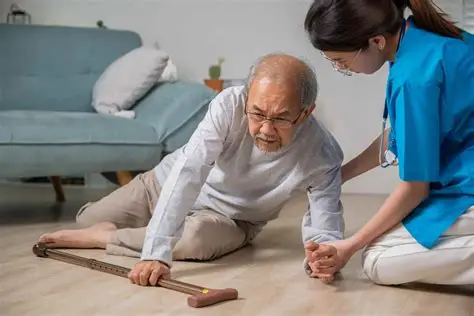
A Practical Guide to Enhancing Safety, Independence, and Confidence at Home
Falls are one of the leading causes of injury among older adults, often resulting in serious health complications and reduced independence. However, many falls are preventable with the right strategies, awareness, and support.
Why Fall Prevention Matters
Falls can have serious consequences for seniors, including:
- Fractures (hip, wrist, or spine)
- Head injuries
- Loss of mobility and independence
- Increased fear of falling again
Preventing falls not only protects physical health but also supports confidence and quality of life.
Common Causes of Falls in Seniors
Understanding the root causes is the first step toward prevention:
- Muscle weakness and poor balance
- Vision problems
- Medication side effects (dizziness or drowsiness)
- Unsafe home environments (clutter, poor lighting)
- Chronic conditions such as arthritis or neurological disorders
Addressing these risk factors can significantly reduce fall incidents.
Essential Fall Prevention Tips
1. Improve Home Safety
Simple home modifications can make a big difference:
- Install grab bars in bathrooms
- Use non-slip mats in showers and floors
- Keep walkways clear of clutter
- Ensure adequate lighting throughout the home
2. Encourage Regular Exercise
Physical activity helps maintain strength, flexibility, and balance:
- Walking or light aerobic exercise
- Balance and coordination training
- Stretching routines
Programs like physical therapy or guided senior exercises are highly beneficial.
3. Review Medications
Certain medications can increase fall risk:
- Dizziness or low blood pressure
- Drowsiness or confusion
Regular medication reviews with healthcare providers can help minimize these risks.
4. Schedule Vision and Hearing Checks
- Poor vision can lead to missteps or tripping
- Hearing issues may affect balance
Routine check-ups help seniors stay aware of their surroundings.
5. Use Assistive Devices
Mobility aids provide stability and confidence:
- Walkers or canes
- Handrails on stairs
- Properly fitted footwear with non-slip soles
6. Promote Safe Daily Habits
- Avoid rushing when standing or walking
- Sit before dressing
- Keep frequently used items within easy reach
These habits reduce unnecessary strain and risk.
The Role of Home Care Facilities in Fall Prevention
Professional care providers play a key role in preventing falls:
- Personalized risk assessments for each patient
- 24/7 supervision and assistance
- Mobility and balance training programs
- Safe environment design and monitoring
- Medication and health management
Facilities that prioritize fall prevention demonstrate a strong commitment to patient safety and quality care.
Benefits of Fall Prevention
Implementing these strategies leads to:
- Reduced risk of injury and hospitalization
- Improved mobility and independence
- Increased confidence in daily activities
- Better overall health and well-being
Final Thoughts
Falls are not an inevitable part of aging—they are often preventable with the right knowledge and support. By creating safer environments, encouraging healthy habits, and utilizing professional care services, seniors can maintain their independence and live confidently.