
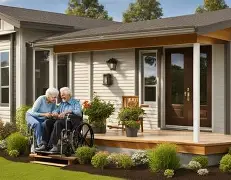
Reliable Home Support for Aging Loved Ones
Caring for an aging loved one is both a responsibility and a deeply personal commitment. As needs evolve over time, many families are choosing reliable home support as a practical and compassionate alternative to institutional care. The goal is simple: ensure safety, preserve dignity, and maintain a high quality of life—right at home.
This article explores what reliable home support looks like today and how families can make informed decisions.
Understanding the Need for Home Support
Aging often comes with changes in mobility, health, and cognitive function. While some seniors remain independent, many require assistance with daily activities such as:
- Bathing, dressing, and grooming
- Meal preparation and nutrition
- Medication reminders
- Mobility and transportation
Reliable home support bridges the gap between independence and full-time medical care, allowing seniors to remain in a familiar environment.
What Makes Home Support “Reliable”?
Not all care is equal. Reliability in home care is defined by consistency, professionalism, and trust.
- Trained Caregivers: Skilled in both practical care and emotional support
- Consistency of Service: Regular schedules and dependable availability
- Clear Communication: Ongoing updates between caregivers and families
- Safety Standards: Proper protocols to prevent falls, medication errors, and emergencies
A reliable system ensures that care is not only delivered—but delivered well.
Key Types of Home Support Services
1. Personal Care Assistance
Support with everyday tasks helps maintain hygiene and dignity. This includes bathing, dressing, toileting, and grooming.
2. Companion Care
Loneliness can significantly impact mental health. Companion care provides social interaction, conversation, and emotional support.
3. Skilled Nursing Care
For seniors with medical needs, professional nursing services at home can include wound care, injections, and health monitoring.
4. Household Support
Light housekeeping, laundry, and meal preparation create a clean and comfortable living environment.
5. Specialized Care
Conditions such as dementia or Alzheimer’s require tailored care approaches, including structured routines and memory support.
Benefits of Home-Based Support
1. Comfort and Familiarity
Remaining at home reduces stress and anxiety, especially for seniors with memory-related conditions.
2. Independence and Dignity
Seniors retain control over their daily routines and personal choices.
3. Personalized Attention
Care is tailored to individual needs rather than shared among many residents.
4. Family Involvement
Loved ones can stay actively involved in care decisions and daily life.
Ensuring Safety at Home
Safety is a cornerstone of reliable care. Simple adjustments can significantly reduce risks:
- Install grab bars in bathrooms
- Improve lighting in hallways and staircases
- Remove tripping hazards like loose rugs
- Keep emergency contacts easily accessible
These measures create a secure environment without compromising comfort.
Supporting Emotional Well-being
Physical care alone is not enough. Emotional and mental health must be prioritized.
- Encourage regular conversations and social visits
- Engage in hobbies like music, reading, or light gardening
- Promote a sense of purpose through small daily activities
A connected and engaged senior is more likely to maintain a positive outlook on life.
Choosing the Right Home Support Provider
Selecting a provider requires careful evaluation:
- Check credentials, training, and certifications
- Look for reviews or recommendations
- Ask about care plans and flexibility
- Ensure transparency in pricing and services
Trust is critical—families should feel confident in the care their loved one receives.
Final Thoughts
Reliable home support for aging loved ones is about more than assistance—it’s about enhancing life. With the right combination of professional care, emotional support, and a safe environment, seniors can continue to live with dignity and independence.
As care needs grow, thoughtful planning and the right support system can make all the difference—for both seniors and their families.